
The Complete Moving Guide (2026): Everything You Need to Know Before You Relocate

Moving to a new home is more than just a change of address—it’s a major life transition that requires careful planning, organization, and the right decisions at the right time. While the idea of starting fresh in a new place is exciting, the process of getting there can quickly become stressful if not handled properly.
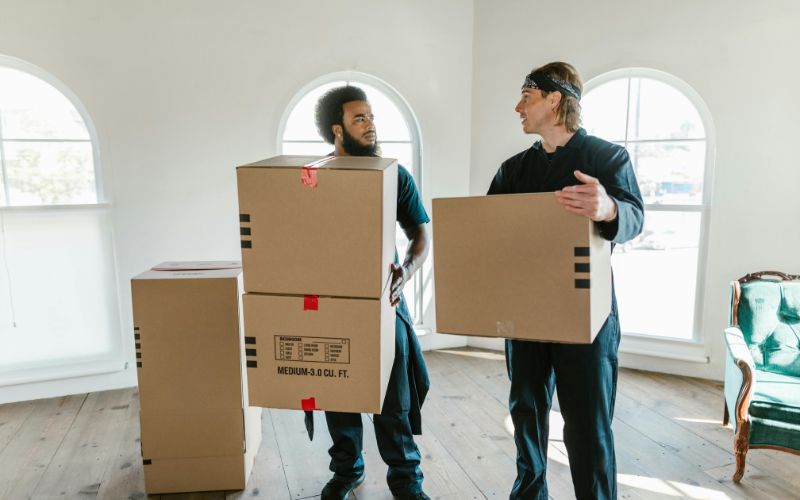
Moving to a new home is more than just a change of address—it’s a major life transition that requires careful planning, organization, and the right decisions at the right time. While the idea of starting fresh in a new place is exciting, the process of getting there can quickly become stressful if not handled properly. From packing your belongings to coordinating timelines and managing costs, every step plays an important role in how smooth your move will be.
The good news is that moving doesn’t have to feel overwhelming. With a clear strategy and the right approach, you can stay in control of the process and avoid common mistakes. This guide is designed to walk you through every stage of your move in a practical and realistic way, helping you prepare better and move smarter.
Choosing the wrong moving company is another risk that many people overlook. Going for the cheapest option without checking reviews or credentials can result in poor service or damaged belongings. It’s always better to focus on reliability and transparency rather than just price.Avoiding these common mistakes comes down to staying organized, planning ahead, and making informed decisions throughout the process.
The good news is that moving doesn’t have to feel overwhelming. With a clear strategy and the right approach, you can stay in control of the process and avoid common mistakes. This guide is designed to walk you through every stage of your move in a practical and realistic way, helping you prepare better and move smarter.

Why Proper Planning Matters for a Move
One of the biggest reasons people struggle during a move is a lack of planning. Many assume they can handle everything in the final days, only to find themselves dealing with last-minute packing, unexpected costs, and unnecessary stress. In reality, moving is a process that requires time, coordination, and attention to detail.When you plan ahead, you create a structured path that makes each step easier to manage. Instead of reacting to problems, you’re preventing them before they happen. Proper planning not only protects your belongings but also helps you stay within your budget and timeline.A well-planned move allows you to:- Stay organized throughout the entire process
- Reduce stress and last-minute pressure
- Avoid damage or loss of items
- Manage your moving costs more effectively
Creating a Moving Timeline That Works
Breaking your move into stages is one of the most effective ways to stay organized. Rather than trying to do everything at once, you can focus on specific tasks over several weeks, which makes the entire process more manageable.In the early stage, around 6 to 8 weeks before your move, your focus should be on preparation. This is the time to create a checklist, set a budget, and start decluttering your home. Removing items you no longer need is an important step, as it reduces both packing time and moving costs.As your moving date gets closer—around 3 to 4 weeks before—you should begin packing items that you don’t use daily. This is also the right time to organize packing supplies, label boxes clearly, and update your address with service providers. These small steps help prevent confusion later.During the final week, your priority should be completing the packing process and preparing essentials for easy access. Confirming details with your moving company and keeping important documents ready will ensure that everything runs smoothly on the actual moving day.Packing Efficiently Without the Stress
Packing is often the most physically and mentally demanding part of moving. It takes time, effort, and attention to detail, especially when dealing with fragile or valuable items. Many people make the mistake of rushing through packing, which can lead to broken items and disorganized unpacking later.Instead of focusing on speed, it’s better to approach packing with a clear system. Organizing your items properly and using the right materials can make a significant difference in both safety and convenience. When your boxes are well-labeled and logically packed, unpacking becomes much easier.To make packing more effective:- Use strong boxes that are easy to carry
- Wrap delicate items carefully to prevent damage
- Keep similar items together for easier unpacking
- Label boxes clearly by room and priority
Common Moving Mistakes and How to Avoid Them
Even with good planning, certain mistakes can still happen if you’re not careful. One of the most common issues is delaying tasks until the last moment, which creates unnecessary pressure and leads to poor decisions. Another frequent mistake is underestimating the cost of moving, especially when additional services or supplies are needed.Choosing the wrong moving company is another risk that many people overlook. Going for the cheapest option without checking reviews or credentials can result in poor service or damaged belongings. It’s always better to focus on reliability and transparency rather than just price.Avoiding these common mistakes comes down to staying organized, planning ahead, and making informed decisions throughout the process.
Choosing a Reliable Moving Company
A professional moving company can make a huge difference in how smooth your relocation feels. Experienced movers understand how to handle items safely, manage logistics efficiently, and deal with unexpected challenges. This level of support can significantly reduce your workload and stress.However, not all moving companies offer the same quality of service. It’s important to do your research and choose a moving company that is trustworthy and experienced. Look for clear communication, transparent pricing, and positive customer feedback.When evaluating a moving company, consider:- Their reputation and customer reviews
- Whether they offer insurance and proper licensing
- The range of services they provide
- How clearly they explain pricing and policies
Understanding Moving Costs in Detail
Cost is one of the most important factors to consider when planning a move. Many people are surprised by how quickly expenses can add up if they’re not prepared. The total cost of moving depends on several factors, including distance, the number of items, and additional services such as packing or storage.Local moves are generally more affordable and are often charged based on time. Long-distance moves, on the other hand, involve more logistics and coordination, which increases the overall cost. The timing of your move can also affect pricing, with peak seasons being more expensive.To keep your moving costs under control:- Declutter to reduce the number of items
- Compare quotes from multiple companies
- Plan your move during less busy periods
- Understand exactly what services are included